
Recombinant Proteins for Biomedical Research:
A Complete Guide to High-Quality Protein Reagents
Introduction to Research Proteins
Proteins are fundamental biological molecules that regulate nearly every cellular process, including signaling pathways, immune responses, metabolism, and gene regulation. In modern biotechnology and life science laboratories, recombinant proteins and purified protein reagents play a central role in understanding molecular mechanisms and developing experimental models.
Research-grade proteins are widely used in cell biology, immunology, oncology, proteomics, and drug discovery workflows. Scientists rely on high-quality protein reagents to study protein interactions, signaling cascades, enzymatic activity, and immune regulation.
Companies such as AbFrontier provide an extensive portfolio of recombinant proteins, cytokines, enzymes, and molecular biology reagents used in academic and industrial laboratories worldwide. Their research tools complement antibody and ELISA platforms widely used in experimental biology.
What Are Recombinant Proteins?
Recombinant proteins are laboratory-produced proteins generated through recombinant DNA technology, where a gene encoding a protein is inserted into an expression system such as bacteria, yeast, or mammalian cells. These engineered systems produce the protein in controlled conditions, allowing researchers to obtain high-purity protein samples for experimental analysis.

Recombinant protein technology enables scientists to study proteins in isolation, analyze their structure and function, and investigate biological pathways under reproducible laboratory conditions.
Common examples of research proteins include:
- Cytokines
- Growth factors
- Enzymes
- Transcription regulators
- Oxidative stress proteins
- Signaling pathway proteins
For example, proteins such as Thioredoxin-1, Peroxiredoxin-1, and Glutaredoxin-1 are commonly used in oxidative stress and redox biology studies.


Key Applications of Research Proteins
1. Cell Signaling and Molecular Pathway Studies
Proteins are essential components of cellular signaling networks. Recombinant proteins help researchers investigate:
- Protein-protein interactions
- Kinase signaling cascades
- Cellular stress responses
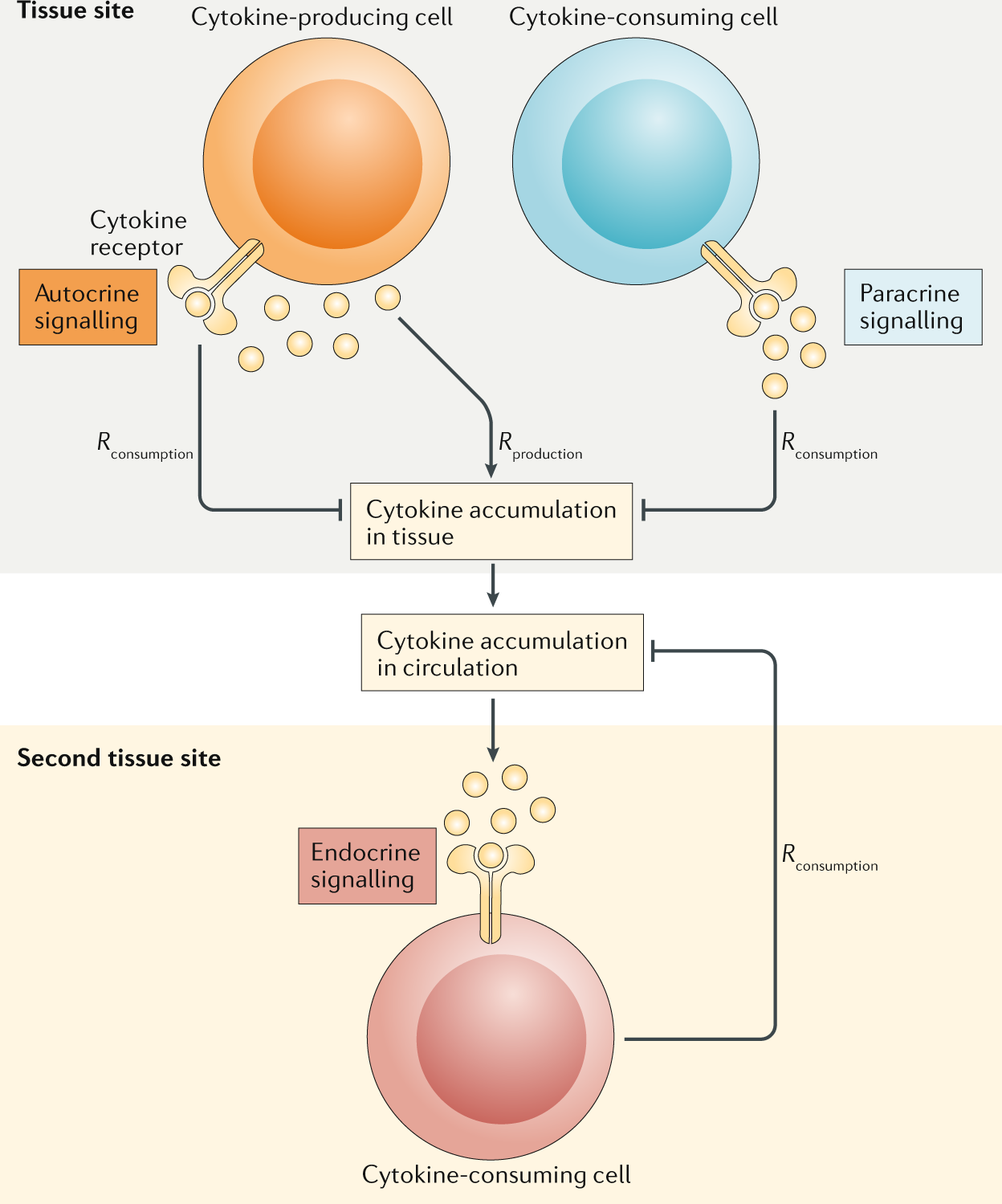
- Immune system signaling pathways
Using purified proteins allows scientists to observe biochemical reactions and pathway activation with high precision.

2. Immunology and Cytokine Research
Cytokines and immune mediators are critical for understanding immune regulation and inflammation.
Research proteins such as:
- Tumor necrosis factors
- Interleukins
- Chemokines
- Interferons
are widely used to analyze immune cell responses and cytokine signaling.
These proteins are particularly important in studies related to:
- immune system activation
- inflammatory signaling pathways
- immune cell differentiation
3. Cancer and Tumor Microenvironment Research
In oncology research, proteins help scientists investigate tumor growth mechanisms, immune regulation, and cellular communication in the tumor microenvironment.
Researchers often analyze:
- cytokine signaling
- apoptosis-related proteins
- angiogenesis factors
- transcription regulators
Studying these proteins enables a deeper understanding of how cancer cells interact with surrounding tissues and immune cells.

4. Proteomics and Protein Interaction Analysis
Proteomics research focuses on identifying and characterizing proteins within biological systems. Recombinant proteins are essential tools in:
- protein binding studies
- structural biology
- enzyme activity assays
- interaction mapping
Scientists can use purified proteins to reconstruct biochemical systems and observe molecular interactions in controlled laboratory conditions.

Important Types of Recombinant Proteins
Oxidative Stress Proteins
Oxidative stress proteins such as Thioredoxin, Peroxiredoxin, and Glutaredoxin are widely used in research studying cellular redox balance.
These proteins help researchers understand:
- antioxidant defense systems
- mitochondrial regulation
- oxidative damage mechanisms
- metabolic signaling pathways

Cytokines and Immune Proteins
Cytokines regulate communication between immune cells and play a key role in biological signaling networks.
Research cytokine proteins include:
- TNF family proteins
- Interleukins
- Growth factors
- immune modulators
These molecules are frequently used in immunology, inflammation research, and cell signaling experiments.
Enzymes and Catalytic Proteins
Enzymatic proteins support biochemical and molecular biology studies. Examples include:
- DNA repair enzymes
- metabolic enzymes
- protein kinases
- phosphatases
These proteins allow scientists to examine biochemical reactions and metabolic pathways in detail.
Advantages of High-Quality Research Proteins
Selecting high-quality recombinant proteins is essential for reliable scientific results. Premium protein reagents provide several advantages:
High Purity
Well-purified proteins reduce experimental variability and improve assay reliability.
Reproducibility
Consistent protein production ensures repeatable results across experiments.
Functional Activity
Bioactive proteins maintain proper folding and biological function for accurate experimental modeling.
Compatibility with Multiple Assays
Research proteins can be used across different experimental techniques, including:
- ELISA assays
- Western blot analysis
- cell stimulation assays
- protein binding experiments
Recombinant Proteins in Modern Biotechnology
The biotechnology industry continues to rely on recombinant proteins as essential experimental tools. With advances in genetic engineering, synthetic biology, and proteomics, research proteins are becoming increasingly important for:
- molecular biology research
- biomarker discovery
- protein interaction mapping
- cell signaling analysis
- experimental therapeutic development
High-quality research proteins help laboratories reproduce biological conditions and investigate molecular mechanisms with high precision.
Choosing the Right Protein Reagents for Your Research
When selecting recombinant proteins for laboratory experiments, researchers typically consider several factors:
Protein Purity and Quality Control
Reliable suppliers perform extensive quality testing to ensure the purity and stability of protein reagents.
Expression System
Proteins expressed in bacterial, yeast, or mammalian systems may differ in folding and post-translational modifications.
Bioactivity
Functionally active proteins ensure biological relevance in cell-based assays and molecular experiments.
Compatibility with Research Applications
Different experiments may require specific protein formulations or tags.
The Role of Research Proteins in Scientific Discovery
Proteins remain one of the most important tools in biological research. From investigating cellular signaling pathways to exploring immune responses and molecular mechanisms, recombinant proteins provide scientists with powerful tools to study complex biological systems.
By enabling controlled experimental conditions and reproducible results, research proteins continue to support breakthroughs across multiple scientific disciplines.
Recombinant proteins have become indispensable tools in modern life science research. Their applications range from immunology and oncology to molecular biology and proteomics, helping scientists uncover the mechanisms that regulate biological systems.
High-quality protein reagents allow laboratories to perform precise experiments, analyze molecular interactions, and explore complex cellular pathways.
As biotechnology continues to evolve, recombinant proteins will remain at the forefront of scientific discovery, enabling researchers to better understand the molecular foundations of life.