
PCR Detection Kits and Molecular Amplification Tools for Modern Life Science Research
Introduction to PCR Technology in Molecular Biology
Polymerase Chain Reaction (PCR) is one of the most important techniques in modern molecular biology. This powerful method enables scientists to amplify specific DNA or RNA sequences, making it possible to analyze genetic material even when only small amounts are present.
PCR technology has revolutionized research fields such as:
- molecular diagnostics
- microbiology
- genetic analysis
- infectious disease research
- biotechnology and genomics
Today, laboratories worldwide rely on PCR detection kits and molecular amplification systems to investigate pathogens, analyze gene expression, and study complex biological systems.
The PCR product portfolio available on AbFrontier includes specialized RT-PCR and qPCR detection kits used in molecular biology research and pathogen detection studies.
What Is PCR and How Does It Work?
PCR (Polymerase Chain Reaction) is a laboratory technique used to amplify a targeted DNA sequence through repeated thermal cycling. Each PCR cycle doubles the number of DNA copies, enabling researchers to produce millions of copies from a single DNA template.
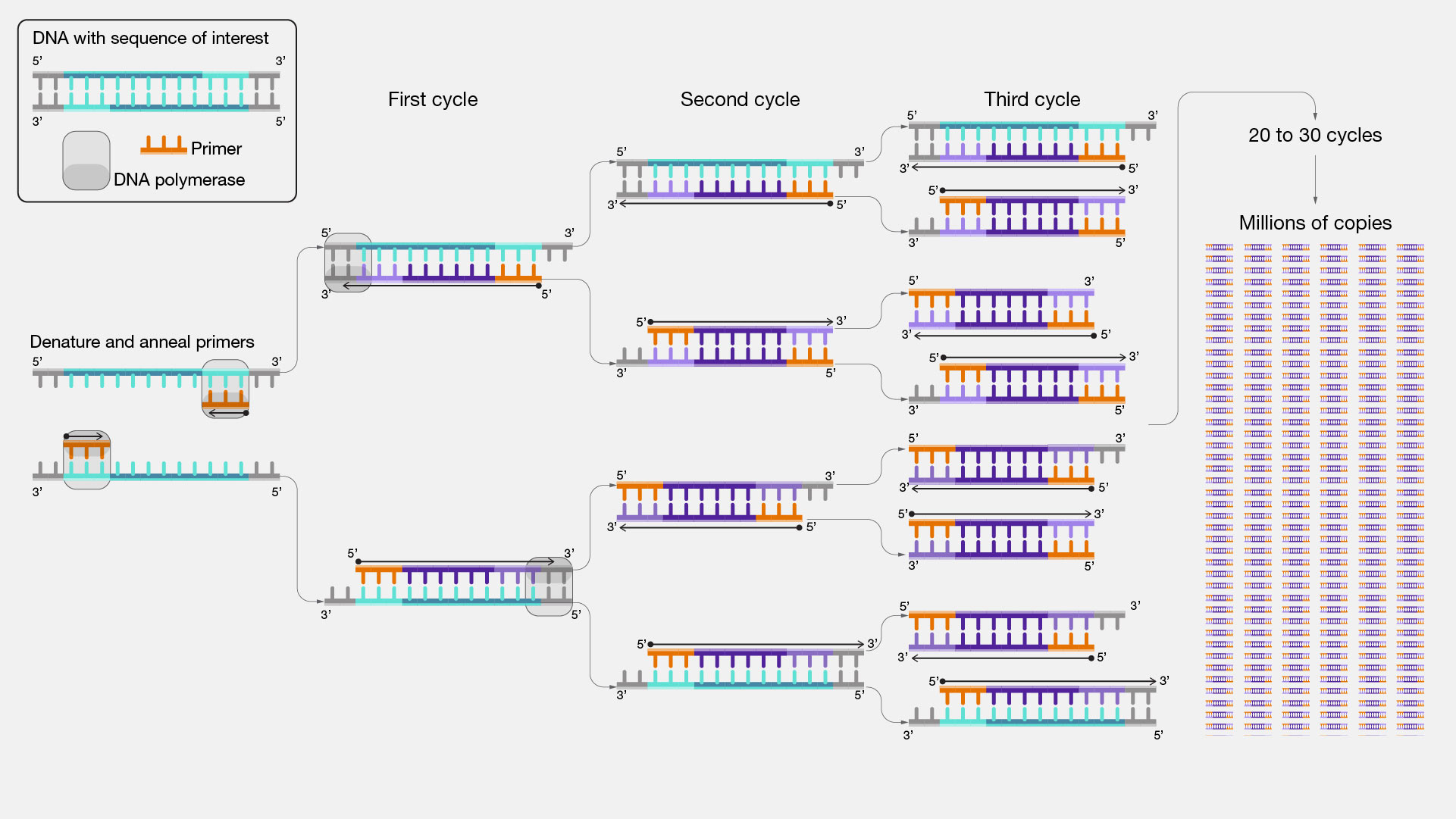
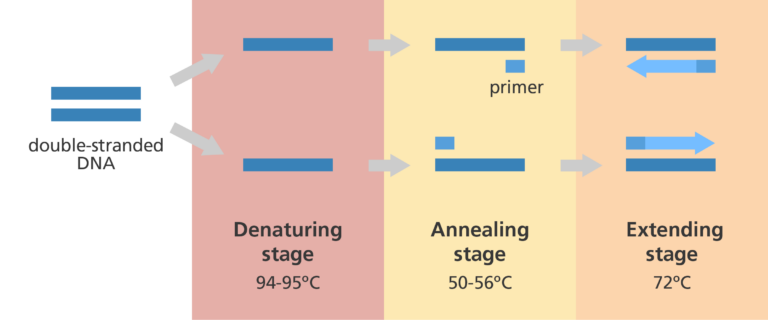
The PCR process typically involves three main steps:
1. Denaturation : The DNA double strand is heated and separated into two single strands.
2. Annealing : Short DNA primers bind to specific target sequences on the DNA template.
3. Extension : DNA polymerase synthesizes a new DNA strand complementary to the template.
Repeating these steps across multiple cycles results in exponential amplification of the target DNA sequence.
PCR has become a foundational tool in genetic research, infectious disease analysis, and molecular diagnostics.
Types of PCR Technologies Used in Research
Modern molecular laboratories use several PCR variations depending on their experimental goals.
Real-Time PCR (qPCR)
Quantitative PCR allows scientists to measure DNA amplification in real time using fluorescent markers.
Applications include:
- gene expression analysis
- viral load detection
- microbial quantification
- biomarker research

Real-time PCR is widely used in molecular diagnostics and genomic research laboratories.
Reverse Transcription PCR (RT-PCR)
RT-PCR is used when the starting material is RNA instead of DNA.
The process first converts RNA into complementary DNA (cDNA), which can then be amplified through PCR.
RT-PCR is commonly used in:
- viral RNA detection
- transcriptome studies
- gene expression analysis

Several RT-PCR detection kits are designed to support pathogen detection workflows and viral research.
Multiplex PCR
Multiplex PCR allows the amplification of multiple DNA targets within a single reaction.
This technique is used in:
- pathogen panels
- genetic mutation screening
- microbial identification studies

Multiplex PCR improves laboratory efficiency by enabling simultaneous detection of multiple genetic targets.
Applications of PCR Detection Kits
PCR kits are used in a wide range of scientific and biotechnology research fields.
Infectious Disease Research
PCR is commonly used to analyze pathogens such as viruses and bacteria.
Examples include research detection systems for:
- respiratory viruses
- viral RNA detection
- emerging pathogen research
Specialized RT-PCR detection kits are developed for analyzing viral genetic material in research samples.
Molecular Biology Research
PCR supports numerous molecular biology applications such as:
- gene cloning
- plasmid validation
- DNA sequencing preparation
- mutation analysis
Researchers use PCR amplification to generate DNA fragments required for experimental workflows.
Genetic and Genomic Studies
PCR is widely used in genetics and genomics to analyze DNA sequences and genetic markers.
Typical research uses include:
- SNP analysis
- genetic mapping
- population genetics studies
- genome sequencing preparation
PCR technology remains a core component of genomic research pipelines.
Advantages of High-Quality PCR Kits
Selecting high-quality PCR reagents and detection kits ensures accurate and reproducible experimental results.
Key benefits include:
- High Sensitivity : PCR can detect extremely small amounts of DNA or RNA.
- High Specificity : Primers ensure amplification of the exact target sequence.
- Rapid Amplification : PCR reactions can produce millions of DNA copies within hours.
- Reproducibility : Validated PCR kits provide consistent performance across experiments.
These advantages make PCR one of the most reliable tools in molecular biology.
Key Components of PCR Detection Kits
PCR kits typically include several essential reagents required for amplification.
- DNA Polymerase : The enzyme responsible for synthesizing new DNA strands.
- Primers : Short DNA sequences that initiate DNA replication.
- dNTPs : DNA building blocks used during DNA synthesis.
- Reaction Buffers : Maintain optimal chemical conditions for PCR amplification.
Some advanced PCR kits also contain fluorescent probes and controls for real-time detection.
PCR Technology in Biotechnology and Diagnostics
PCR has become a cornerstone of modern biotechnology.
Its applications continue to expand in fields such as:
- molecular diagnostics
- pathogen surveillance
- personalized medicine research
- genomic sequencing technologies
PCR-based workflows help scientists rapidly analyze genetic material and explore biological systems at the molecular level.
Choosing the Right PCR Detection Kit
When selecting a PCR kit for laboratory research, scientists typically evaluate several factors:
- Detection Method : Standard PCR, RT-PCR, or quantitative PCR depending on the experimental goal.
- Target Organism : Specific kits are designed for viral, bacterial, or genomic DNA analysis.
- Sensitivity and Detection Limits : High-quality kits provide reliable detection of low genetic material concentrations.
- Compatibility with Laboratory Instruments : PCR kits should be compatible with commonly used thermocyclers and real-time PCR systems.
Choosing validated PCR reagents ensures reliable results and efficient experimental workflows.
PCR technology remains one of the most powerful molecular biology techniques for analyzing genetic material. From infectious disease research to genomic studies, PCR amplification enables scientists to detect, analyze, and quantify DNA and RNA sequences with exceptional precision.
Modern PCR detection kits support a wide range of research applications, allowing laboratories to perform reliable genetic analysis and molecular investigations.
As biotechnology continues to evolve, PCR will remain an essential tool driving innovation in molecular research and life science discovery.