
Research Antibodies for Molecular Biology, Immunology, and Protein Detection
Introduction to Research Antibodies
Antibodies are among the most powerful tools used in modern life science laboratories. These specialized proteins recognize and bind specific molecules called antigens, allowing researchers to detect, quantify, and analyze biological targets with high specificity.
Research antibodies are widely used in fields such as:
- molecular biology
- immunology
- cell signaling research
- cancer biology
- protein expression analysis
Laboratories rely on high-quality monoclonal and polyclonal antibodies to study proteins, signaling pathways, and molecular mechanisms inside cells.
The antibody portfolio available on AbFrontier includes a wide range of primary antibodies and secondary antibodies designed for multiple experimental applications
What Are Antibodies?
Antibodies are Y-shaped proteins produced by the immune system that recognize specific molecular targets known as antigens. These targets may include proteins, peptides, or other biomolecules.
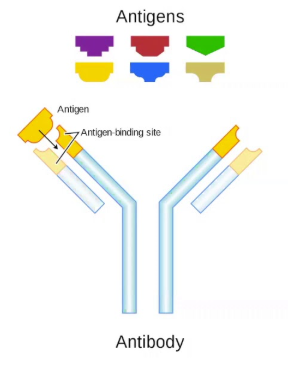
In research laboratories, antibodies are engineered and purified to bind precisely to a specific protein or biomarker.
Because of their highly selective binding ability, antibodies are commonly used in experimental techniques such as:
- Western blot
- ELISA assays
- immunohistochemistry (IHC)
- immunofluorescence (IF)
- flow cytometry
These technologies allow scientists to detect proteins and analyze biological pathways with high precision.
Types of Research Antibodies
Monoclonal Antibodies
Monoclonal antibodies are produced from a single immune cell clone and recognize one specific epitope on a target antigen.
Key advantages include:
- high specificity
- low background signal
- consistent performance across experiments
Monoclonal antibodies are widely used in protein detection and molecular diagnostics.
Polyclonal Antibodies
Polyclonal antibodies are generated by multiple immune cell clones and recognize multiple epitopes on the same antigen.
Benefits include:
- stronger signal detection
- higher sensitivity
- effective detection of proteins with structural variation
Polyclonal antibodies are frequently used in Western blotting and immunoprecipitation experiments.

Applications of Research Antibodies
Research antibodies support a wide variety of experimental techniques used in biotechnology and molecular biology laboratories.
Western Blot Protein Detection
Western blotting is one of the most common applications for research antibodies.
In this method:
- Proteins are separated by electrophoresis.
- They are transferred to a membrane.
- Specific antibodies bind to the target protein.
- Detection reagents visualize the protein band.
Antibodies enable researchers to analyze protein expression, modification, and regulation.è
ELISA Assays
Enzyme-Linked Immunosorbent Assay (ELISA) uses antibodies to measure proteins or biomarkers in biological samples.
This method is commonly used to analyze:
- cytokines
- hormones
- enzymes
- immune markers
ELISA assays rely on antibody specificity to provide accurate quantitative measurements.
Immunofluorescence and Microscopy
Antibodies labeled with fluorescent dyes allow researchers to visualize proteins inside cells.
This method is used to study:
- cellular localization of proteins
- cell signaling pathways
- protein interactions within tissues
Immunofluorescence microscopy provides detailed insights into cellular structure and protein distribution.
Flow Cytometry
Flow cytometry uses fluorescent antibodies to identify and quantify cell populations based on protein markers.
Applications include:
- immune cell analysis
- cell differentiation studies
- biomarker detection
This technology is essential for modern immunology and cell biology research.
Key Features of High-Quality Research Antibodies
Selecting reliable antibodies is critical for producing reproducible scientific data.
High-quality antibodies typically provide:
- High Specificity : Target recognition of a specific protein or antigen.
- High Sensitivity : Detection of proteins even at low concentrations.
- Validated Applications : Compatibility with multiple experimental techniques such as Western blot or ELISA.
- Reproducibility : Consistent performance across multiple experiments and research laboratories.
Reliable antibody reagents help ensure accurate and repeatable experimental results.
Choosing the Right Antibody for Your Experiment
Selecting the correct antibody depends on several factors:
-Target Protein : Researchers must choose antibodies validated for the specific protein of interest.
-Host Species : Primary antibodies are raised in species such as rabbit, mouse, or goat.
-Experimental Technique : Different antibodies are optimized for:
- Western blot
- ELISA
- immunofluorescence
- flow cytometry
-Sample Type : Antibodies may be validated for use with :
- cell lysates
- tissue samples
- serum or plasma
Choosing well-validated antibodies improves experimental reliability.
The Importance of Antibodies in Life Science Research
Antibodies remain one of the most important tools in biotechnology and molecular biology. Their ability to recognize specific proteins allows scientists to investigate biological mechanisms with exceptional accuracy.
Applications of antibody technology continue to expand across many research areas, including:
- cancer biology
- neuroscience
- immunology
- molecular signaling pathways
- biomarker discovery
High-quality antibodies enable laboratories to explore protein functions and understand the complex interactions that regulate cellular biology.
Research antibodies are essential tools for studying proteins, cellular pathways, and molecular mechanisms in modern life science laboratories. From Western blot analysis to immunofluorescence imaging, antibodies allow scientists to detect and analyze proteins with high specificity.
Comprehensive antibody collections such as those available through AbFrontier support a wide range of research applications, helping scientists perform accurate and reproducible experiments.
As biotechnology continues to advance, research antibodies will remain fundamental tools driving discoveries in molecular biology, immunology, and biomedical research.